Minerals, what they do, how much you need and where to find them

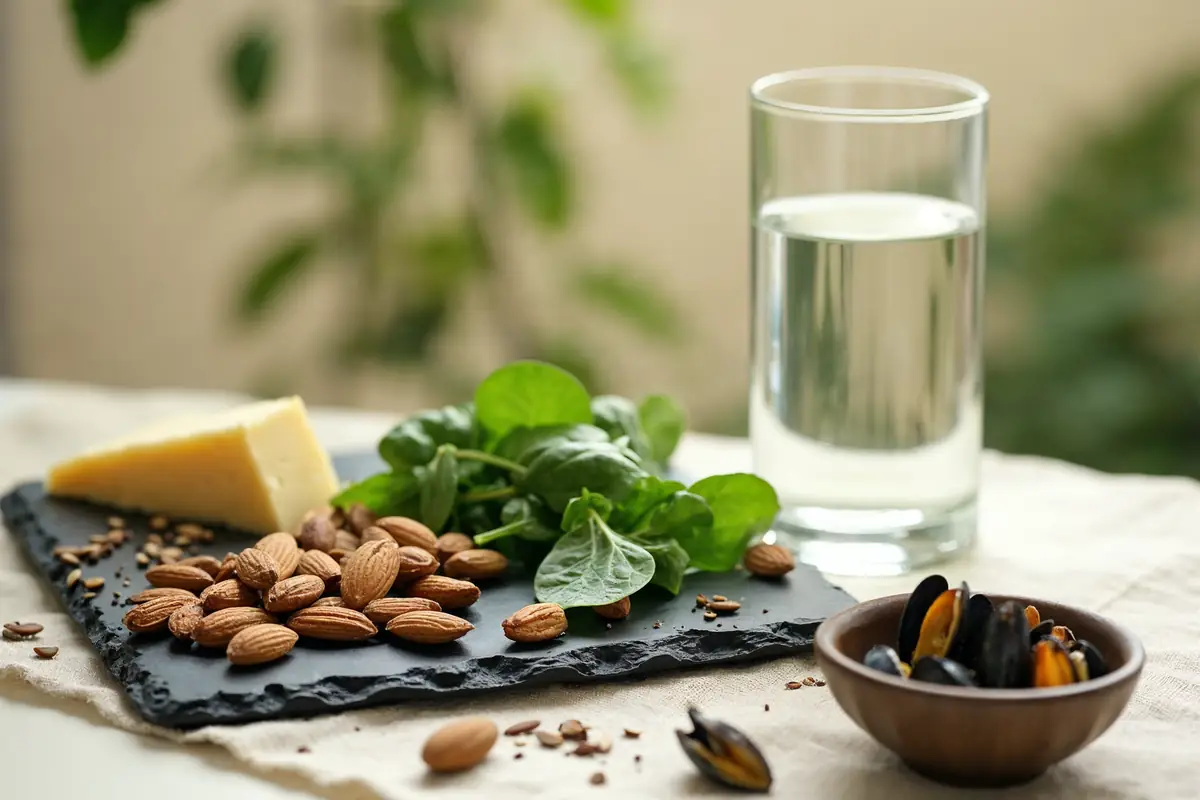
Minerals are small elements your body cannot make, so they all come from food and drink. Iron and calcium need the most attention, iron for women who have periods and calcium for bones at every age. Below are the roles, daily needs and food sources of 7 minerals, using NHS figures.
A club coach looks at your situation with you and gives you the best advice.
Book your free assessmentIn this article
What minerals do
Minerals help build bones and teeth, carry oxygen, balance the water in your body and keep muscles working. They are part of the nutrients described in our article on nutrients, roles and daily needs.
7 minerals, roles and daily needs
- Iron. Iron contributes to normal formation of red blood cells and haemoglobin, and to the reduction of tiredness and fatigue. The NHS iron guide gives 8.7mg a day for men, 14.8mg for women aged 19 to 49 and 8.7mg for women aged 50 and over. Sources are red meat, beans, nuts, dried fruit and fortified breakfast cereals.
- Calcium. Calcium is needed for the maintenance of normal bones and teeth. Adults need 700mg a day, according to the NHS calcium guide. Sources are milk, cheese, yoghurt, green leafy vegetables and tinned sardines with their bones.
- Magnesium. Magnesium contributes to normal muscle function. 300mg a day for men and 270mg for women. Sources are spinach, nuts and wholemeal bread.
- Potassium. Potassium contributes to the maintenance of normal blood pressure. 3,500mg a day. Sources are bananas, broccoli, parsnips, pulses, nuts and fish.
- Zinc. Zinc contributes to the normal function of the immune system. About 9.5mg a day for men and 7mg for women. Sources are meat, shellfish, dairy foods and bread.
- Selenium. Selenium contributes to the normal function of the immune system. 75μg a day for men and 60μg for women. Sources are Brazil nuts, fish, meat and eggs.
- Iodine. Iodine contributes to the normal production of thyroid hormones and normal thyroid function. Sources are milk, yoghurt, white fish and eggs.
The figures for magnesium, potassium, zinc and selenium come from the NHS guide to other vitamins and minerals.
Women, older adults and pregnancy
Women with periods need about 1.7 times as much iron as men, 14.8mg a day compared with 8.7mg. After 50, bones need calcium and vitamin D, as our guide to losing weight after 50 explains. During pregnancy, your midwife or GP will advise you.
Minerals while you change your eating
When you eat less, choose foods rich in minerals. A yoghurt, a handful of nuts, pulses 2 times a week, oily fish, green vegetables. Cutting dairy or red meat completely makes calcium or iron harder to reach.
Too little and too much
Most people get enough from a varied diet. Unusual tiredness, pale skin or breathlessness can point to low iron and need a blood test from your GP. High doses taken without advice can cause harm too. The NHS warns, for example, that more than 1,500mg of calcium a day can upset the stomach. This article does not replace advice from your GP or another health professional.
At the Witney club
At our club in Witney, the coaches trained in nutrition look at your usual meals during the free assessment and help you spot the gaps.
Your weight loss curve
Enter your profile and the curve redraws straight away.
At the median pace, it would take about 11 weeks to lose 8 kg. At the gentlest pace, about 4 months.
The benchmark most often given for lasting weight loss is 500 g to 1 kg a week. That is the ideal zone of the chart. Above 1 kg a week on a regular basis, the body draws on its muscles as much as on its fat. That is the hatched zone.
An indicative projection. Every journey is personal and results vary from person to person. The calculation runs on your device, nothing is saved or sent. Over 65, talk to your doctor first.
How this curve is calculated
The top edge of the zone matches 500 g a week, the gentlest pace. The bottom edge matches 1 kg a week, the risk threshold.
The first weeks go faster, mostly water, then the pace slows. After 40, the median curve slows gradually, because metabolism slows. For the same effort, a man usually loses weight a little faster than a woman.
The journey curve adds plateaus of a few days and small regains, as in real life. It does not predict your own journey.
This advice is general. It does not replace medical advice.
Further reading

For day to day support, see the healthy eating programme.