How much water to drink a day when you want to lose weight

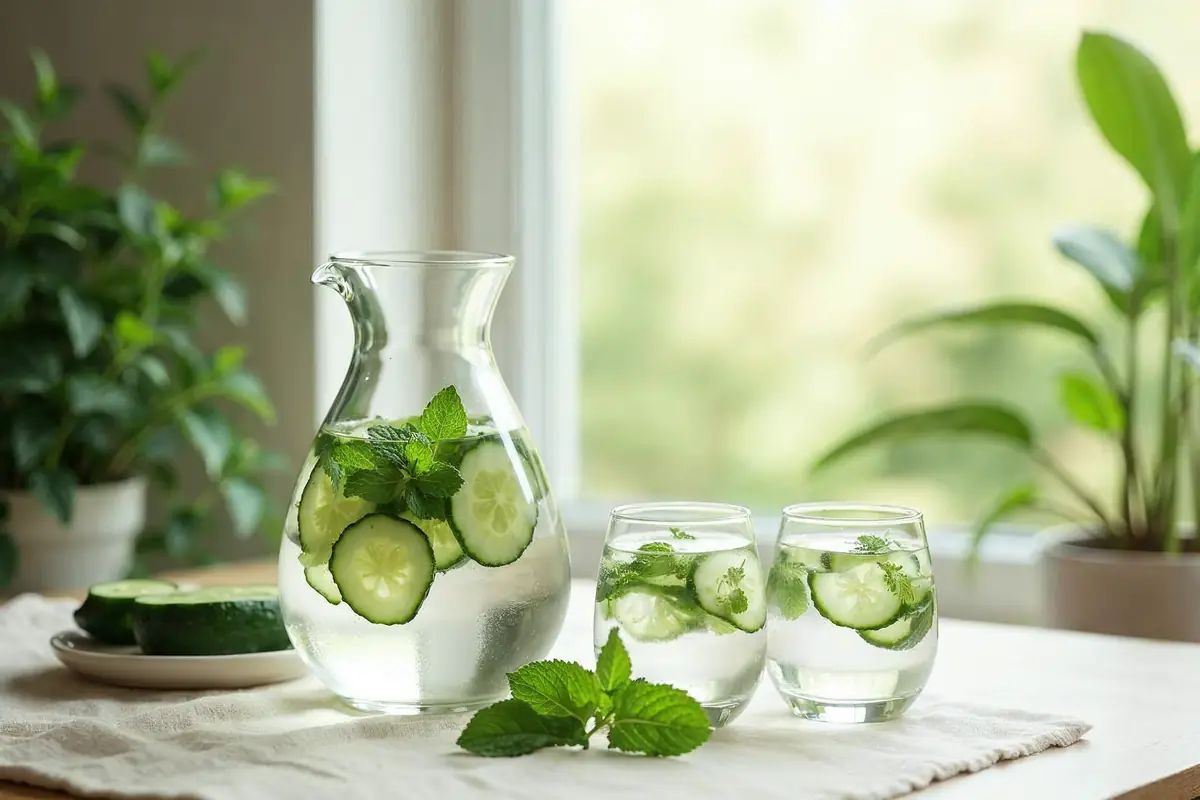
The NHS advises 6 to 8 cups or glasses of fluid a day, more when it is hot or when you are active. Water does not melt fat. It helps in other ways, by replacing sugary drinks and by filling you up a little before meals.
Work out your daily water
The calculation runs on your device. Nothing is saved or sent. For adults only.
See also the BMI calculator, the waist size calculator and all the club calculators.
How this calculation works
The European Food Safety Authority sets an adequate intake of 2 L of water a day for a woman and 2.5 L for a man, water from food included. Drinks provide about 80%, so 1.6 L and 2 L.
A club coach looks at your situation with you and gives you the best advice.
Book your free assessmentIn this article
How much in cups and litres
The NHS guide to water, drinks and your health uses the Eatwell Guide figure of 6 to 8 cups or glasses of fluid a day. With a standard glass of 200 to 250ml, that comes to about 1.2 to 2 litres. You may need more if you are pregnant or breastfeeding, in a hot place, active for long periods, or ill.
A simple check is the colour of your pee. The NHS says it should be a clear pale yellow.
Does drinking water help you lose weight?
Not on its own. Its value is elsewhere. A large glass before a meal fills the stomach a little, and many people serve themselves less. Above all, water replaces drinks that bring sugar without filling you up.
Water contributes to the maintenance of normal physical and cognitive functions. It plays no direct part in burning fat.
Which drinks to swap for water
- Fizzy drinks. Regular fizzy drinks bring sugar and no fibre. Swapping them for water every day makes a real difference over a month.
- Fruit juice and smoothies. The NHS Eatwell Guide recommends limiting them to a combined total of 150ml a day, because they are high in free sugars.
- Sweetened coffees. Syrups and large milky coffees add up quickly. A plain tea or coffee counts towards your fluid.
Sparkling water, tea, coffee and herbal teas without sugar all count. Our guide to healthy eating, where to start shows other simple swaps.
Drinking well, without excess
Forcing yourself to drink 4 or 5 litres a day does not speed up weight loss. Large amounts drunk very quickly can even upset the salt balance in your blood. If you have a heart or kidney condition, follow your GP’s advice before these benchmarks. This article does not replace advice from your GP or another health professional.
Set yourself markers. A glass when you wake up, a glass before each meal, a refillable bottle on your desk. After 60, thirst is felt less, so drinking at set times matters more, as our guide to losing weight after 60 explains. Start with 2 habits for 3 weeks, a glass before meals and 1 sugary drink fewer each day.
At the Witney club
At our club in Witney, members start the day with breakfast together before work, and a drink of water is part of that routine. The first assessment is free.
Your weight loss curve
Enter your profile and the curve redraws straight away.
At the median pace, it would take about 11 weeks to lose 8 kg. At the gentlest pace, about 4 months.
The benchmark most often given for lasting weight loss is 500 g to 1 kg a week. That is the ideal zone of the chart. Above 1 kg a week on a regular basis, the body draws on its muscles as much as on its fat. That is the hatched zone.
An indicative projection. Every journey is personal and results vary from person to person. The calculation runs on your device, nothing is saved or sent. Over 65, talk to your doctor first.
How this curve is calculated
The top edge of the zone matches 500 g a week, the gentlest pace. The bottom edge matches 1 kg a week, the risk threshold.
The first weeks go faster, mostly water, then the pace slows. After 40, the median curve slows gradually, because metabolism slows. For the same effort, a man usually loses weight a little faster than a woman.
The journey curve adds plateaus of a few days and small regains, as in real life. It does not predict your own journey.
This advice is general. It does not replace medical advice.
Further reading

For day to day support, see the healthy eating programme.