Losing weight after 40. What changes and the 4 habits to start with

To lose weight after 40, put protein on every plate, fill half of it with vegetables, keep starchy food in steady portions and add strength work on 2 days a week. Your body has not stopped working. It simply forgives less than it did at 25, so small habits matter more than strict rules.
A club coach looks at your situation with you and gives you the best advice.
Book your free assessmentIn this article
Losing weight after 40, what changes
From around 40, most people slowly lose muscle if they do nothing to keep it. Less muscle means a body that uses a little less energy at rest. Life also gets busier. Work, children, ageing parents and shorter nights all push meals to the bottom of the list. For women, the years before the menopause can bring changes in where weight settles. Our page on weight loss and the menopause covers this in detail.
None of this means losing weight is out of reach. It means the method that worked at 25, skipping meals and hoping for the best, works less well now.
4 changes to make first
- Protein at every meal. Eggs, fish, chicken, beans, lentils, plain yoghurt. Protein contributes to the maintenance of muscle mass, which is exactly what you want to protect after 40.
- Half the plate in vegetables. Fresh, frozen or tinned all count. The NHS Eatwell Guide asks for at least 5 portions of fruit and vegetables a day.
- Steady starchy portions. Keep potatoes, wholemeal bread, brown rice or porridge, but in a fist-sized portion rather than a heaped plate.
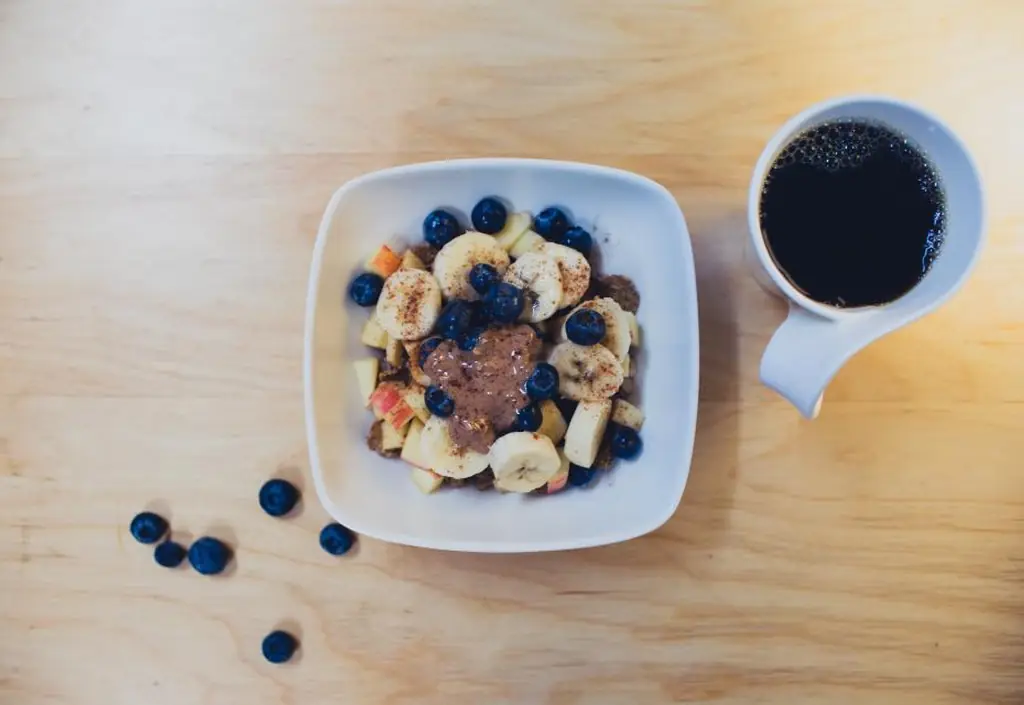
- A real breakfast. A morning meal with protein makes the 11am biscuit far less tempting. Ideas are in our guide to breakfast for weight loss.
Change 1 thing a week rather than all 4 on Monday morning. Habits that arrive slowly tend to stay.
Exercise and sleep
The NHS physical activity guidelines for adults suggest at least 150 minutes of moderate activity a week, plus strengthening activities on at least 2 days. A brisk 30-minute walk on 5 days already covers the first part. For the second, squats, lunges or carrying the shopping all work the big muscle groups. Our page on muscle and weight loss explains why this matters.
Sleep is the forgotten lever. After a short night, hunger is harder to manage and the sofa wins over the walk. Aim for a regular bedtime rather than catching up at the weekend.
From 40 to 74, you should also be invited to a free NHS Health Check every 5 years. It is a good moment to talk about your weight with a professional.
Assessment at the club in Witney
At Witney Nutrition Club, members have their breakfast at the club in the morning, before work. Your first assessment is free. A coach looks at your days, your meals and your goals, then suggests the first change to make.
This article does not replace advice from your GP or another health professional.
Your weight loss curve
Enter your profile and the curve redraws straight away.
At the median pace, it would take about 11 weeks to lose 8 kg. At the gentlest pace, about 4 months.
The benchmark most often given for lasting weight loss is 500 g to 1 kg a week. That is the ideal zone of the chart. Above 1 kg a week on a regular basis, the body draws on its muscles as much as on its fat. That is the hatched zone.
An indicative projection. Every journey is personal and results vary from person to person. The calculation runs on your device, nothing is saved or sent. Over 65, talk to your doctor first.
How this curve is calculated
The top edge of the zone matches 500 g a week, the gentlest pace. The bottom edge matches 1 kg a week, the risk threshold.
The first weeks go faster, mostly water, then the pace slows. After 40, the median curve slows gradually, because metabolism slows. For the same effort, a man usually loses weight a little faster than a woman.
The journey curve adds plateaus of a few days and small regains, as in real life. It does not predict your own journey.
This advice is general. It does not replace medical advice.
Further reading


For day to day support, see the healthy eating programme.