Vitamins, what they do and how much you need. A UK guide

Most people get all the vitamins they need from a varied and balanced diet. The NHS makes 2 notable exceptions in the UK. Vitamin D in autumn and winter, and folic acid before and in early pregnancy.
A club coach looks at your situation with you and gives you the best advice.
Book your free assessmentIn this article
What vitamins do
Vitamins are nutrients your body needs in small amounts to work properly. They provide no energy, so they do not make you gain or lose weight. They help the body use the food you eat. The NHS guide to vitamins and minerals covers each vitamin in detail.
Vitamins at a glance
- Vitamin A. Contributes to the maintenance of normal vision. Found in cheese, eggs, oily fish, and as beta-carotene in carrots, spinach and sweet potatoes. The NHS advises against eating liver more often than weekly, because of its very high vitamin A content.
- B vitamins. Thiamin, riboflavin, niacin, B6, B12 and folate. Most of them contribute to normal energy-yielding metabolism. Found in wholegrains, meat, eggs, dairy and green vegetables. B12 is found almost only in animal foods, so vegans need a fortified source.
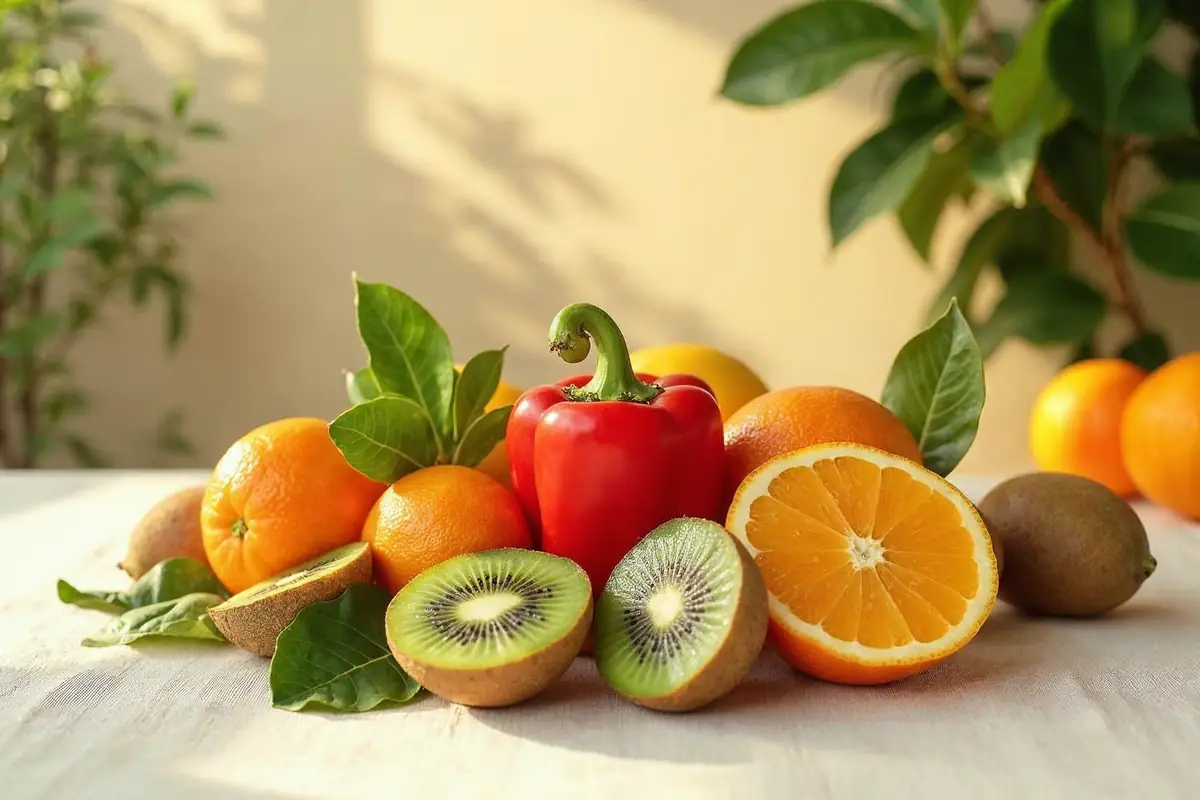
- Vitamin C. Contributes to the normal function of the immune system. Adults aged 19 to 64 need 40mg a day, according to the NHS page on vitamin C. An orange, a handful of strawberries or some broccoli covers it.
- Vitamin D. Contributes to the maintenance of normal bones. More on it below.
- Vitamin E and K. Found in plant oils, nuts, seeds and green leafy vegetables. A balanced diet usually covers them.
The UK case of vitamin D
From October to early March, the UK sun is too weak for the skin to make enough vitamin D. The NHS page on vitamin D advises adults to consider a daily supplement of 10 micrograms during autumn and winter. Oily fish, eggs and fortified foods help, but rarely cover it alone.
Pregnancy and breastfeeding
If you are trying for a baby or could get pregnant, the NHS recommends a 400 microgram folic acid supplement daily until you are 12 weeks pregnant. Your GP or midwife will guide you on everything else, including vitamin D.
Vitamins while eating better
Eating less is no reason to eat poorly. Cutting portions of crisps and biscuits costs you no vitamins. Cutting out fruit, vegetables or whole food groups does. Keep plenty of colour on the plate, as our guides to nutrients and minerals explain.
Too little or too much
Real deficiencies need a diagnosis from your GP, often with a blood test. More is not better either. Some vitamins, such as A, can be harmful in large amounts. The government guidance on food supplements reminds us that supplements do not replace a varied diet.
At the club in Witney
At Witney Nutrition Club, members have a balanced breakfast at the club in the morning, before work. Your first assessment is free.
This article does not replace advice from your GP or another health professional.
Your weight loss curve
Enter your profile and the curve redraws straight away.
At the median pace, it would take about 11 weeks to lose 8 kg. At the gentlest pace, about 4 months.
The benchmark most often given for lasting weight loss is 500 g to 1 kg a week. That is the ideal zone of the chart. Above 1 kg a week on a regular basis, the body draws on its muscles as much as on its fat. That is the hatched zone.
An indicative projection. Every journey is personal and results vary from person to person. The calculation runs on your device, nothing is saved or sent. Over 65, talk to your doctor first.
How this curve is calculated
The top edge of the zone matches 500 g a week, the gentlest pace. The bottom edge matches 1 kg a week, the risk threshold.
The first weeks go faster, mostly water, then the pace slows. After 40, the median curve slows gradually, because metabolism slows. For the same effort, a man usually loses weight a little faster than a woman.
The journey curve adds plateaus of a few days and small regains, as in real life. It does not predict your own journey.
This advice is general. It does not replace medical advice.
Further reading

For day to day support, see the healthy eating programme.