Losing weight from your thighs, fat or fluid

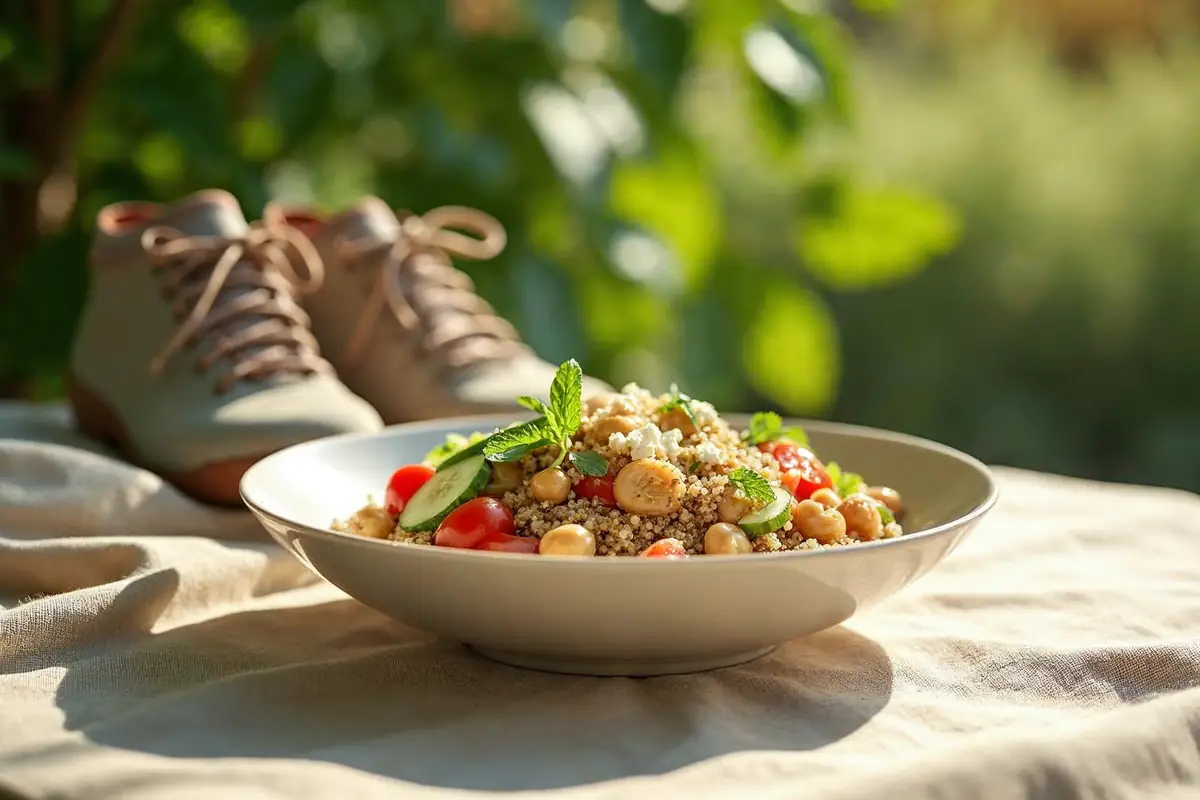
To slim your thighs, overall body fat has to go down, because no exercise empties a single area on its own. Walking, less salt and good circulation can still ease legs that hold on to fluid. So it helps to tell 2 things apart, fat and fluid.
A club coach looks at your situation with you and gives you the best advice.
Book your free assessmentIn this article
Fat or fluid, the difference
The thighs are among the places where women’s bodies like to store fat. This fat often goes slowly, and sometimes last, as our article on stubborn fat explains.
Fluid retention is something else. Legs swell during the day, feel heavy in the evening and go down overnight. A sock that leaves a mark, ankles that puff up after a long day standing or sitting, these are signs of fluid rather than fat.
Thighs and fat
- A small, steady calorie gap. The NHS suggests aiming for 0.5 to 1kg a week, about 1 to 2lb, in its tips to help you lose weight.
- Protein at every meal. Protein contributes to the maintenance of muscle mass, and muscle shapes the leg.
- Leg strength. Squats, lunges, step-ups on the stairs. They do not burn thigh fat directly, but they firm the leg as the fat goes. The NHS strength exercises are a good place to start.
Fluid and circulation
The NHS page on oedema lists common causes of swollen legs, including standing or sitting in the same position for too long, eating too much salty food and being overweight. It suggests gentle exercise such as walking, raising your legs when you can and avoiding clothes that are too tight.
On salt, adults should have no more than 6g a day, around 1 level teaspoon, according to the NHS guide to salt. Most of it is already in bread, ham, cheese, crisps, soups and ready meals, so reading labels makes a real difference.
Legs that swell suddenly, on a single side, or that are painful, red or warm need to be seen by a doctor quickly.
Cellulite and creams
Cellulite is fat under the skin that pushes against the fibres holding it in place. It is very common, including in slim women. No cream melts fat. A massage can feel pleasant and help you relax, but losing weight and building leg muscle change the look of the skin more.
Measure rather than weigh
A tape measure round the widest part of the thigh, each month, tells you more than the scales. Fluid makes the scales move from day to day, while measurements show the real trend. You can do the same for your hips. This article does not replace advice from your GP or another health professional.
At the Witney club
At our club in Witney, the coaches trained in nutrition support members every day and help them track measurements as well as weight. The first assessment is free.
Your weight loss curve
Enter your profile and the curve redraws straight away.
At the median pace, it would take about 11 weeks to lose 8 kg. At the gentlest pace, about 4 months.
The benchmark most often given for lasting weight loss is 500 g to 1 kg a week. That is the ideal zone of the chart. Above 1 kg a week on a regular basis, the body draws on its muscles as much as on its fat. That is the hatched zone.
An indicative projection. Every journey is personal and results vary from person to person. The calculation runs on your device, nothing is saved or sent. Over 65, talk to your doctor first.
How this curve is calculated
The top edge of the zone matches 500 g a week, the gentlest pace. The bottom edge matches 1 kg a week, the risk threshold.
The first weeks go faster, mostly water, then the pace slows. After 40, the median curve slows gradually, because metabolism slows. For the same effort, a man usually loses weight a little faster than a woman.
The journey curve adds plateaus of a few days and small regains, as in real life. It does not predict your own journey.
This advice is general. It does not replace medical advice.
Further reading
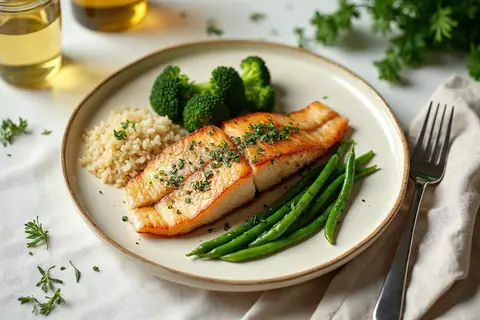

For day to day support, see the healthy eating programme.